There’s no shortage of free travel advice online — and much of it is genuinely helpful… as long as it works for you.
The challenge is that not all advice is truly neutral. Some content quietly pushes a specific approach that may not fit your situation. Other advice isn’t actually free at all — it’s designed to steer you toward a product, booking path, or strategy that earns someone a commission.
To be clear, we’re transparent about this on our end.
We may earn a commission if we help you book a trip or receive a referral bonus if we recommend a tool or service.
But that’s not why we recommend it.
We recommend what makes the most sense for your trip — even when there’s no compensation involved for us.
Search almost any destination, credit card, or points strategy and you’ll find countless recommendations promising the best, cheapest, or most optimized way to travel.
The problem isn’t that the advice is wrong.
It’s that most of it quietly assumes a version of life most people don’t actually have.
That’s where things start to break down.
Planning Help (Because This Is Where It Gets Hard)
If this sounds familiar, you’re not doing anything wrong.
Travel planning isn’t one-size-fits-all — and that’s exactly where guidance helps.
Planning & Consulting
We help translate general advice into decisions that actually work for your dates, points, budget, and priorities — without pressure, hype, or one-size-fits-all recommendations.
If you have a question, feel free to text us at 480-331-1263.
Related Reading
- Booking It Yourself vs. Getting Help: What Actually Changes?
- What Travel Booking & Advising Actually Means (And When You Need It)
- Why the Cheapest Price Isn’t Always the Best Deal
In this Article:
The Assumptions Behind Most Travel Advice
A lot of popular travel advice is built on assumptions like:
- Unlimited flexibility with dates
- Large, perfectly optimized points balances
- Willingness to reposition for flights
- No work, school, or family constraints
- Comfort juggling multiple bookings and backup plans
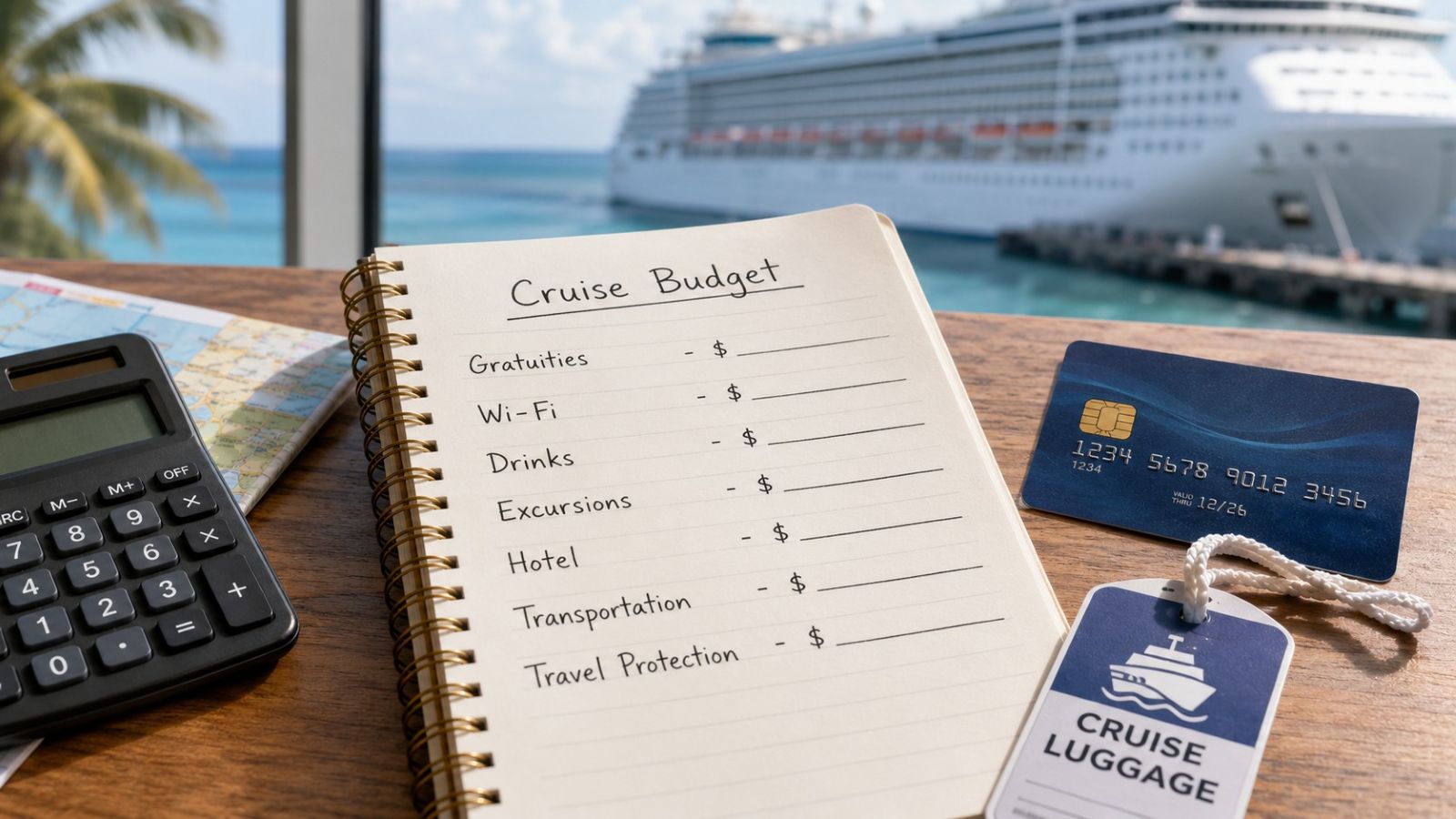
Cruise advice often comes with its own version of these assumptions:
- You can sail any week of the year
- You’re fine booking far in advance without knowing your schedule
- You’ll automatically use every onboard credit and perk
- The “best deal” is always the lowest price per night
- Every itinerary is interchangeable
If that’s your situation, great — a lot of advice will work beautifully.
But for most people, those assumptions don’t hold.
When “Best” Doesn’t Mean Best for You
The “best” option on paper isn’t always the best decision in real life.
Common examples we see:
- Using more points than necessary just to fly a specific airline
- Booking inconvenient flight times to squeeze out extra value
- Choosing a hotel far from where you’ll actually spend time
- Skipping credits or perks because the plan was too rigid
Cruises have their own version of this:
- Booking the cheapest sailing without considering the itinerary
- Choosing a ship based on price instead of what’s actually on board
- Ignoring embarkation port logistics (flights, hotels, timing)
- Paying for perks you won’t realistically use
- Missing value from onboard credits because there was no plan
On paper, the math works.
In practice, the experience often doesn’t.
Real Trips Have Trade-Offs
Real travel planning involves trade-offs that rarely show up in blog posts or YouTube videos:
- Convenience vs. cost
- Points vs. cash
- Flexibility vs. certainty
- “Optimal” vs. enjoyable
Cruises add another layer:
- Newer ship vs. better itinerary
- Balcony room vs. spending more time off the ship
- Included perks vs. upfront price
- Port-heavy itineraries vs. relaxing sea days
Ignoring these trade-offs doesn’t make them disappear — it just pushes the frustration to later.
Why We Focus on Real-Life Planning
This is exactly why we approach travel planning differently.
Instead of starting with what’s theoretically best, we start with:
- Your dates
- Your points and credits
- Your budget
- Your tolerance for complexity
- What actually matters to you on this trip
For cruises, that often means working through:
- Which itinerary actually fits your interests
- Whether the ship matches how you like to travel
- How flights, hotels, and embarkation timing fit together
- What perks and credits you’ll realistically use
From there, we help you make decisions that feel good before, during, and after the trip — not just ones that look good in a spreadsheet.
Latest Posts from Trip Planning | All Posts
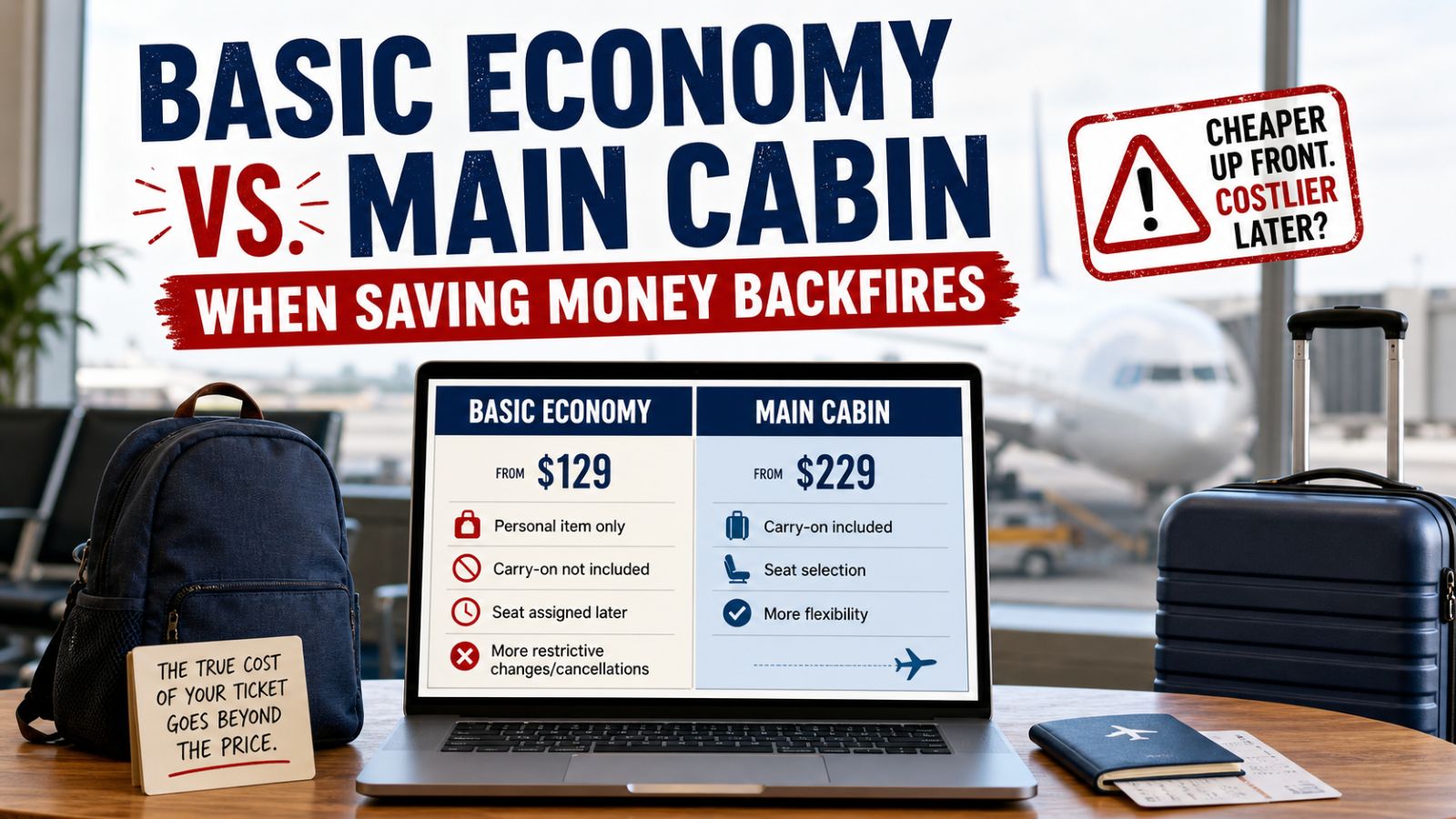
- Basic Economy vs. Main Cabin: When Saving Money Backfires

- Why Most “Free” Travel Advice Breaks Down in Real Life

- How We Compare Travel Options Before We Book

- The Most Common Booking Mistakes We See (And How to Avoid Them)

- Why the Cheapest Price Isn’t Always the Best Deal

- Our Approach to Trip Planning & Consulting