ravel doesn’t have to be complicated to be valuable.
Cruises and all-inclusive resorts offer something many travelers want: clarity. One price. Fewer decisions. Built-in experiences.
When chosen intentionally, these trips can deliver strong value, reduce planning stress, and pair surprisingly well with points, credits, and targeted promotions. This isn’t about luxury shortcuts or “travel hacks” — it’s about knowing when predictable, bundled travel makes sense in real life.
Want Help Deciding What Makes Sense?
Cruises and all-inclusive resorts can look simple — but the details matter.
Small choices around:
• Ship versus itinerary
• Cabin or room type
• Booking channel
• Credits, perks, and promotions
• Points versus cash trade-offs
can significantly change the value of a trip.
If you want help comparing real costs, understanding how your points and credits apply, or deciding whether a cruise or all-inclusive stay actually fits your travel style, we offer personalized Planning & Consulting built around real-life travel — not sales pressure or one-size-fits-all advice.
If you have a question, feel free to text us at 480-331-1263.
Related Reading
- How to Choose a Cruise Based on Your Travel Style
- How We Decide If a Cruise Is Actually a Good Value
- Booking It Yourself vs. Getting Help: What Actually Changes?
In this Article:
High-Value, Predictable Travel
ruises and all-inclusive resorts share a common promise: simplify the experience and control costs upfront.
Instead of managing flights, hotels, meals, entertainment, and transportation separately, much of the trip is bundled together. That predictability can be especially valuable when time, energy, or decision fatigue matter more than total flexibility.
This doesn’t make them right for every trip — but when they fit, they fit extremely well.
Cruise Travel: One Trip, Many Destinations
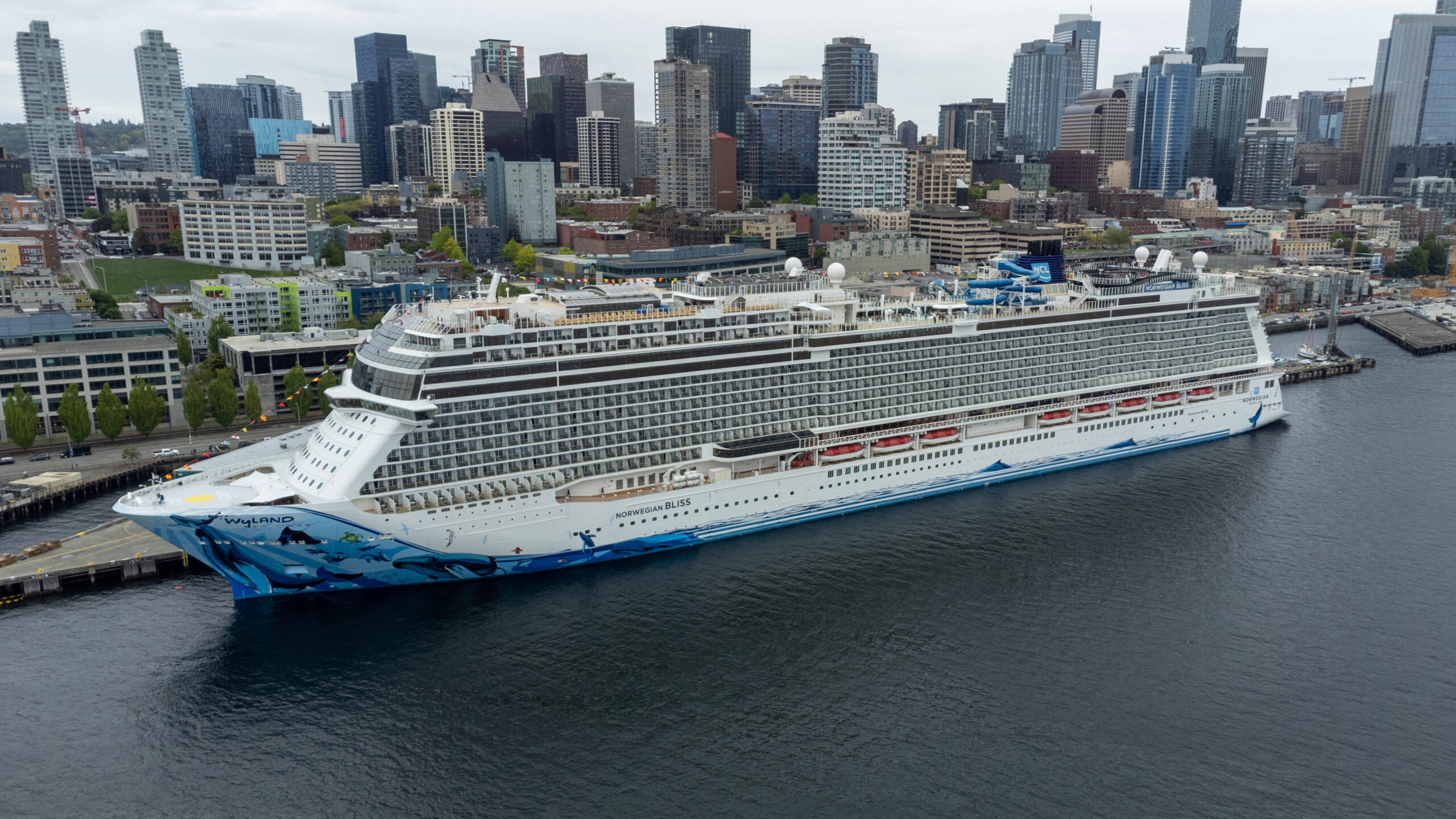
Cruises combine transportation, lodging, dining, and entertainment into a single experience. That makes them one of the most predictable — and flexible — ways to visit multiple destinations without constantly packing, unpacking, or rebooking hotels.
They’re especially appealing for travelers who want to see more places with less logistical effort.
Cruise Lines & Ship Styles Matter
Not all cruises — or cruise ships — deliver the same experience.
Different lines and ship styles cater to very different travel types, including:
• Family-focused ships with activities and entertainment
• Relaxed, destination-forward itineraries
• Premium and luxury cruise experiences
• Short weekend sailings versus longer, immersive voyages
Choosing the right ship often matters just as much as choosing the destination. Two cruises visiting the same ports can feel completely different depending on ship size, amenities, and onboard atmosphere.
Ports & Excursions: Where Planning Pays Off
Ports can be the highlight of a cruise — or an afterthought if they’re not planned intentionally.
We look closely at:
• Which ports are easy to explore independently
• When cruise-sponsored excursions make sense
• How timing, accessibility, and logistics affect your day ashore
A small amount of planning can turn a short port stop into a genuinely memorable experience instead of a rushed one.
Onboard Credits & Booking Perks
Cruises are one of the easiest places to stack credits and extras — often based on how and where you book, not just the cruise line itself.
Depending on the booking method, travelers may unlock:
• Onboard credit
• Specialty dining packages
• Beverage or Wi-Fi credits
• Reduced deposits or added booking perks
These extras can significantly increase perceived value without increasing the base price.
When Cruises Are a Strong Points Fit
Cruises don’t always book directly with points — but that doesn’t mean points aren’t useful.
Cruises can be a strong fit when:
• Using credit card travel or statement credits
• Booking through flexible travel portals
• Leveraging promotions or group perks
• Pairing points-booked flights with cruise sailings
For the right traveler, cruises offer high perceived value with relatively low complexity.
All-Inclusive Resorts: Simplicity on Land
All-inclusive resorts offer a similar promise to cruises: simplify the experience and control costs upfront — without changing locations.
They can be an excellent fit for travelers who want to relax, stay mostly on property, and minimize daily decision-making.
But not all all-inclusive resorts deliver the same value.
What “All-Inclusive” Really Means
“All-inclusive” can mean very different things depending on the resort.
Some include:
• All meals and drinks
• Activities and entertainment
• Airport transfers
• Non-motorized water sports
Others may charge extra for:
• Premium dining
• Alcohol upgrades
• Excursions or spa access
Understanding what’s included — and what isn’t — avoids surprises later.
When Paying More Upfront Makes Sense
All-inclusive resorts tend to shine when:
• You plan to stay mostly on property
• You want minimal decision-making during the trip
• You’re traveling with a group or family
• You value predictable costs over total flexibility
In these scenarios, paying more upfront can often reduce both overall spending and travel stress.
Using Points, Credits & Promotions
All-inclusive resorts can pair well with:
• Hotel points and free-night certificates
• Credit card travel and resort credits
• Limited-time promotions
• Package deals that bundle flights
The goal isn’t to use points just because you can — it’s to lower your real out-of-pocket cost.
How This Fits into Real-Life Travel
Cruises and all-inclusive resorts aren’t about doing travel “the fancy way” or “the cheap way.”
They’re about:
• Predictable costs
• Simplified planning
• Strong value when chosen intentionally
When paired with points, credits, and the right booking approach, these trips often feel easier — and sometimes better — than traditional planning.
Latest Posts from Trip Types & Experiences | All Posts