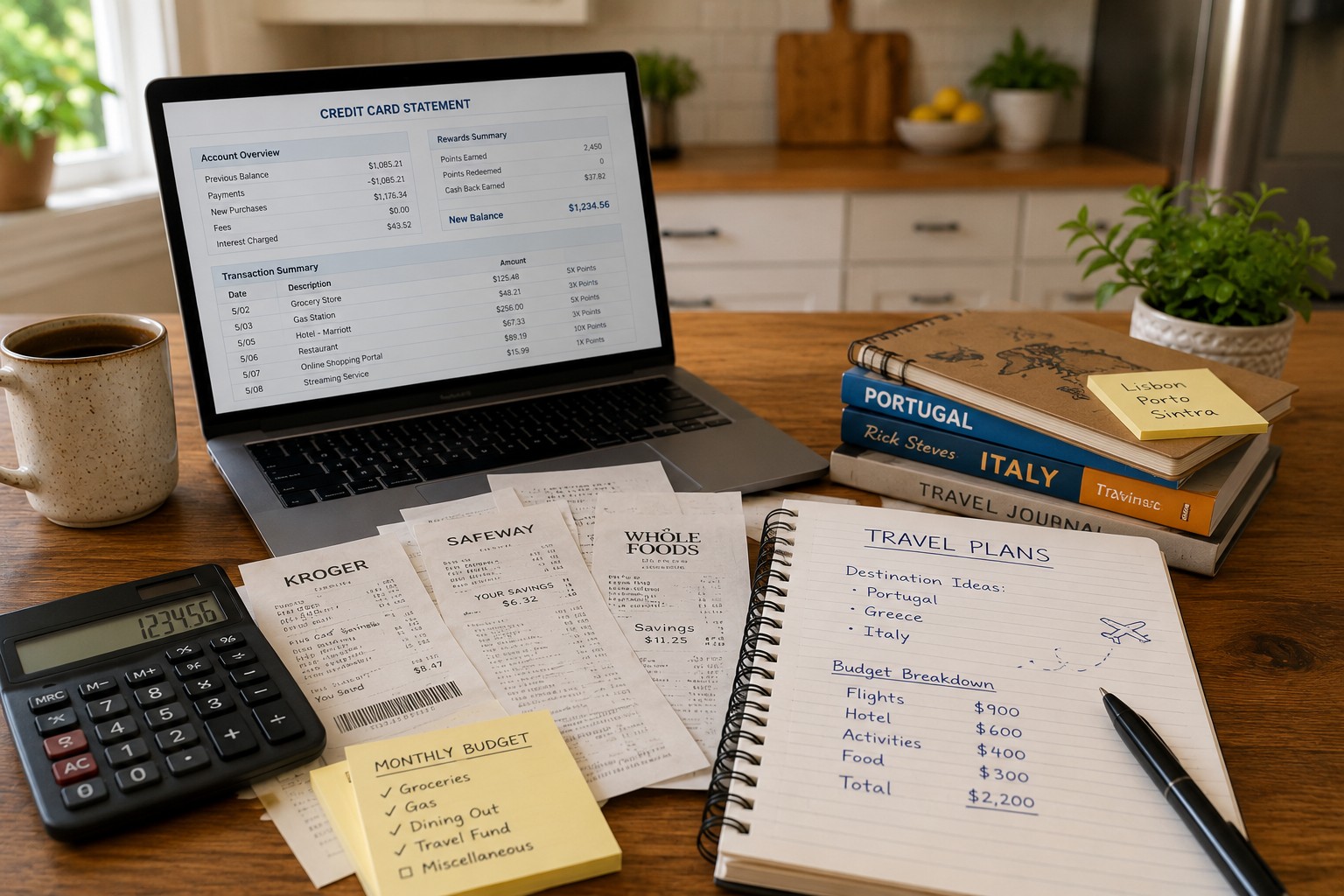
Sometimes a deal really does save you money.
Other times, it just gives you a better story for why you spent money you were not planning to spend.
That line matters a lot when you are trying to use points, rewards, credit card perks, cruise promotions, travel deals, shopping portals, dining programs, grocery store offers, hotel offers, fuel rewards, and statement credits in real life.
We try really hard to maximize savings on things we would already buy or do. If there is a grocery store offer, a shopping portal bonus, a credit card offer, a hotel promotion, or a points opportunity that lines up with spending we already planned, we want to take advantage of it.
But we also know that some rewards and discounts are not really “savings” in the strictest sense.
Sometimes they are luxuries.
Sometimes they help us take a trip we probably would not have paid cash for otherwise. Sometimes they make it easier to buy something we want but do not need. Sometimes they give us a discount, a credit, or some money back on something that is still extra.
And that can still be okay.
The key is being honest about which one it is. That is why this fits so naturally into Personal Finance, even though it touches almost every part of Points & Rewards.
Want Help Thinking Through Points, Rewards, or Travel Value?
A good deal is only a good deal if it fits your real life, your budget, and what you actually want to do. If you are trying to make better use of points, rewards, travel credits, or booking options without turning them into spending excuses, we can help you think through the tradeoffs.
If you have a question, feel free to text us at 480-331-1263.
The Problem With “But It Was a Good Deal”
We have all done it. You find a limited-time offer, a sale, a bonus category, a cruise promotion, a hotel credit, a shopping portal boost, or a credit card statement credit that expires soon.
More detail: When a deal changes the question
Suddenly, the question changes from “Do we need this?” to “Can we afford to pass this up?”
That is where rewards and deals can get dangerous.
Not because they are bad. We love a good deal. We like stacking savings. We like using points. We like earning rewards on things we were already planning to buy.
But a deal can also create pressure.
It can make something feel urgent. It can make spending feel responsible. It can make an extra purchase feel like a win because we got something back.
The problem is that getting something back is not the same as coming out ahead.
Saving Money Starts With the Original Plan
One of the simplest questions we try to ask is: Were we already planning to buy this?
More detail: How we separate real savings from new spending
If the answer is yes, then a discount, reward, statement credit, shopping portal bonus, or points offer may be a real savings opportunity.
If we were already buying groceries, filling the car with gas, booking a hotel, planning a cruise, replacing something we needed, or paying for a trip that was already in the budget, then rewards can make that spending better.
That is the part we try to maximize.
We want to save money on things we would already buy or do. We want to earn points on normal spending. We want to activate grocery store offers when they fit our list. We want to use hotel offers when we were likely to book that hotel anyway. We want to go through a shopping portal when we were already planning to order something.
That feels like a true win.
The spending was already part of the plan. The rewards just improved the outcome. This is the same basic mindset we talk about in The Money Habits That Make Travel Rewards Work Better.
Sometimes the Deal Is Really a Luxury
There is another side to this, though. Sometimes points, credits, discounts, and cash back help us do something extra.
More detail: When rewards help us choose something extra
Maybe it is a trip we would never take if we had to pay the full cash price. Maybe it is a nicer hotel than we would normally book. Maybe it is a product we want but do not need. Maybe it is a fun upgrade, an experience, a dinner, or a little splurge that feels easier to justify because we are getting some money back.
We do use rewards this way sometimes.
And we do not think that is automatically wrong.
Part of the fun of points and rewards is that they can open doors to experiences that might not otherwise feel realistic. They can make travel feel more possible. They can turn a “maybe someday” trip into something we can actually plan. They can make a small luxury feel more reasonable.
But when that happens, we try not to pretend it is the same as saving money on something necessary.
It is more accurate to say: This reward helped us afford or justify something extra.
That is different from: This reward reduced the cost of something we were already going to buy.
Both can have value. They just need different labels.
Rewards Can Make Good Spending Better
This is where points and rewards work best: groceries you were already buying, gas you already needed, a hotel you were already booking, a cruise you already planned to take, a dinner out that was already part of your trip budget, or a household item you already needed to replace.
More detail: Let rewards support the plan
When rewards attach to normal spending, they can make good spending better.
That is the sweet spot.
You are not changing your life to chase rewards. You are making your existing spending work harder.
This is why we like connecting Personal Finance with Points & Rewards. The rewards side is more fun, but the personal finance side keeps it grounded.
- A 5x category is great if it applies to spending you already do.
- A welcome bonus can be valuable if you can meet the spending requirement without forcing extra purchases.
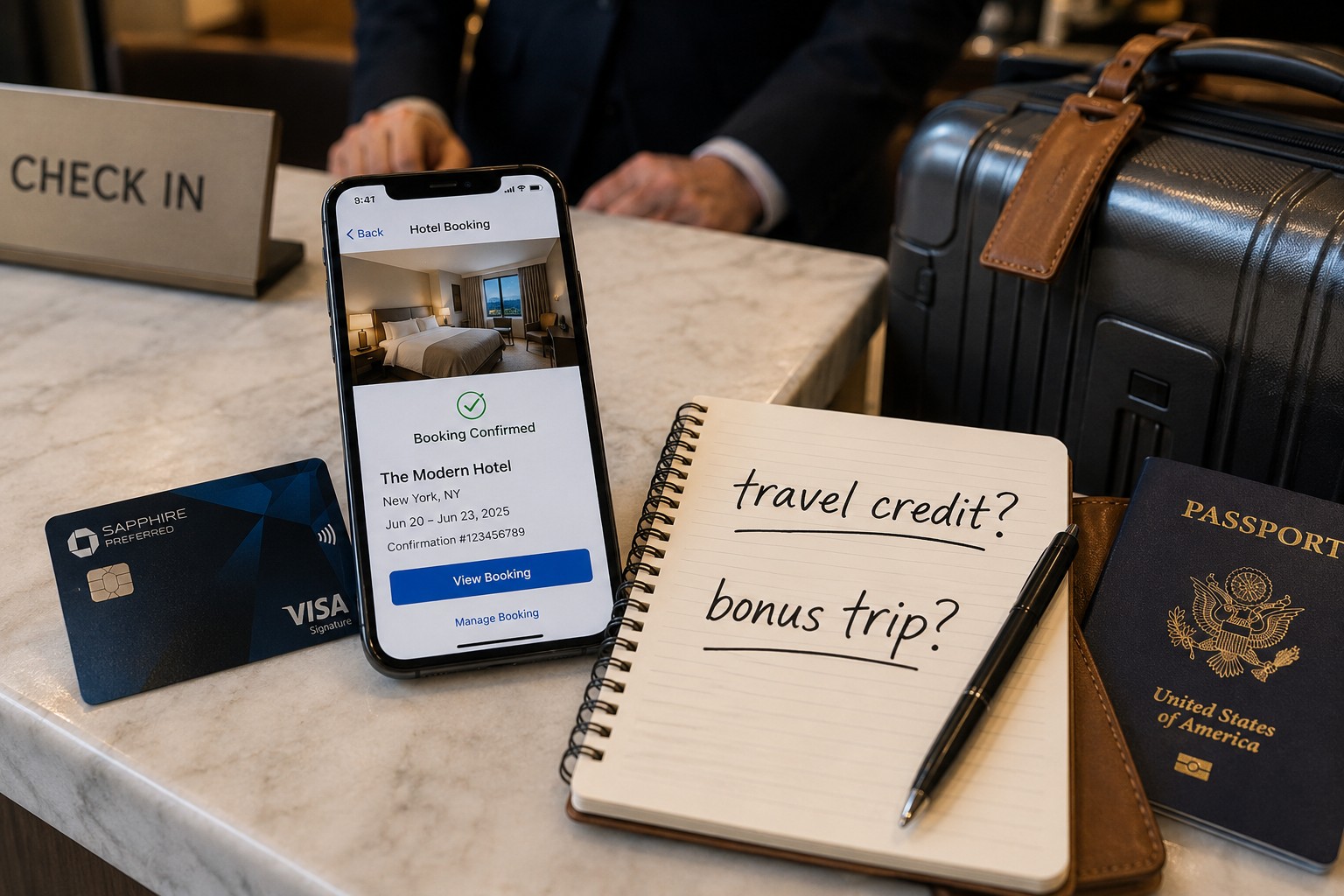
- A travel credit is useful if it offsets travel you were already going to book.
- A dining credit is nice if it fits how you actually eat.
- A hotel offer is helpful if it applies to a stay that already makes sense.
The reward should support the plan. It should not quietly become the plan.
This is also where Everyday Spending and Credit Card Strategy overlap. The goal is not to make every purchase complicated. It is to make normal spending more intentional.
Statement Credits Are Not Always Free Money
Statement credits can be one of the easiest traps. They feel like free money because the card gives you money back after you spend, but in many cases, you have to spend first.
More detail: Credits that reduce spending vs. credits that create spending
A $10 credit on something you were already going to buy may be worth close to $10.
A $10 credit on something you only bought because the credit existed may not save you anything.
In fact, it may cost you money.
This does not mean statement credits are bad. We use them. We track them. We factor them into annual fee decisions when they fit our real life.
But we try to separate credits into two buckets:
- Credits that reduce real spending
- Credits that create new spending
That distinction is huge.
If a credit lowers the cost of something already in your budget, great. If it pushes you into a purchase you would not have made, it may still be fun or worthwhile, but it is not the same as saving money.
It is the same reason we keep coming back to the basic rule in Points Are Not Free If You Carry a Balance: rewards only help if the underlying spending still makes sense.
Shopping Portals and Grocery Offers Are Good Examples
Shopping portals, grocery store offers, fuel rewards, and cash-back promos are some of the easiest places to see the difference between real savings and justified spending.
More detail: Small offers can add up, but only when they fit
If we are already ordering something online, going through a shopping portal is a simple extra step. That is why we like the habit behind Shopping Portals 101: The Simple Habit That Can Add Up Over Time.
If we are already buying groceries and an offer lines up with something on our list, that can be useful too.
But if an offer sends us down the path of buying more than we needed, buying a brand we do not like, or stocking up on something just because the math looks good, we need to slow down.
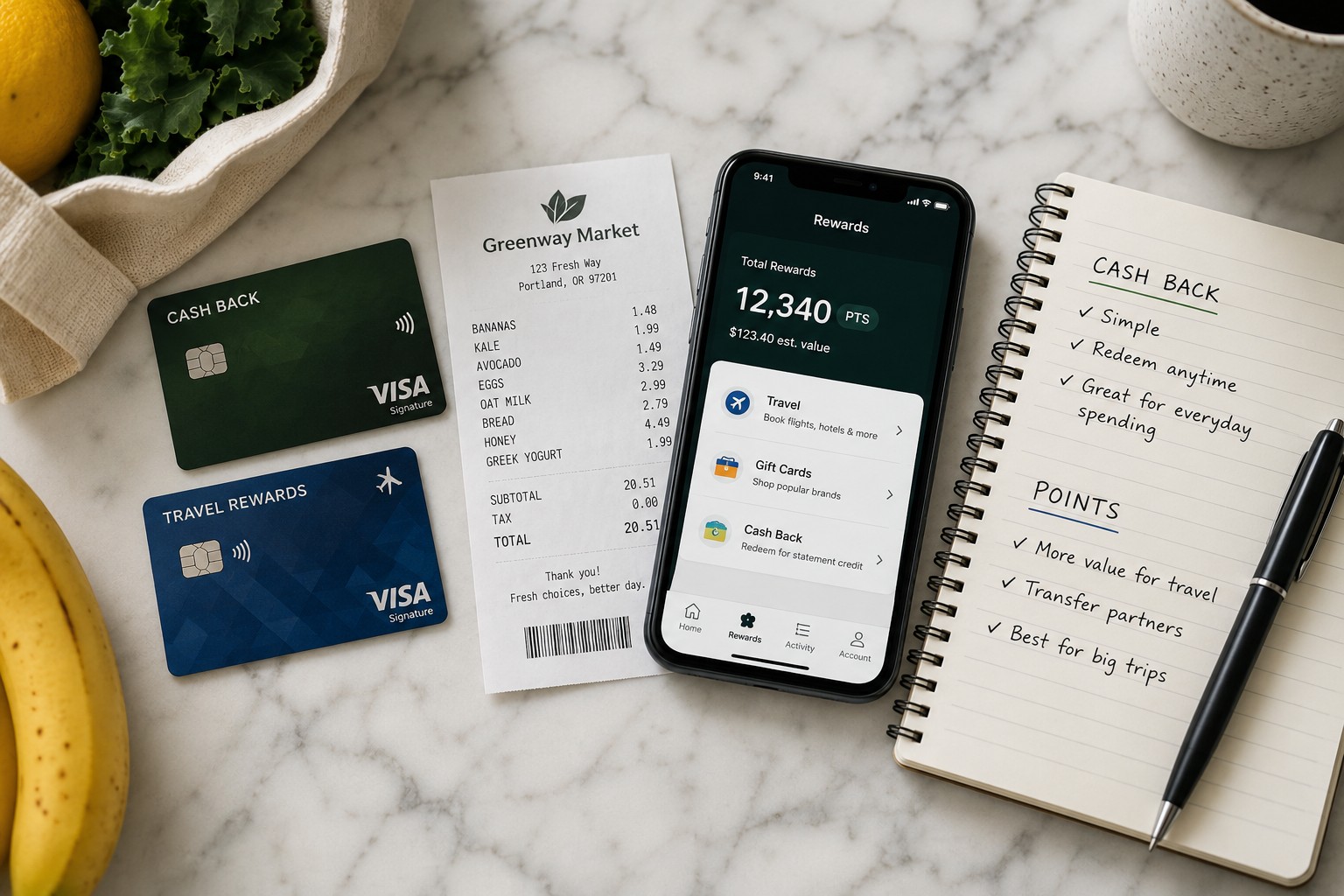
The same idea applies when deciding between points and cash back. The “best” option is not always the one that looks best on paper. It is the one that fits the way you actually spend, which is why Cash Back vs. Points for Everyday Spending: Which One Fits Your Life Better? is such an important companion topic.
Travel Deals Need the Same Reality Check
Travel is where this gets even more complicated. A cruise promotion may include “free” perks. A hotel booking may include breakfast, a property credit, or late checkout. A credit card portal may offer bonus points. A flight deal may make a destination look tempting.
More detail: Look beyond the headline travel deal
Those can all be valuable.
But they can also distract from the total trip cost.
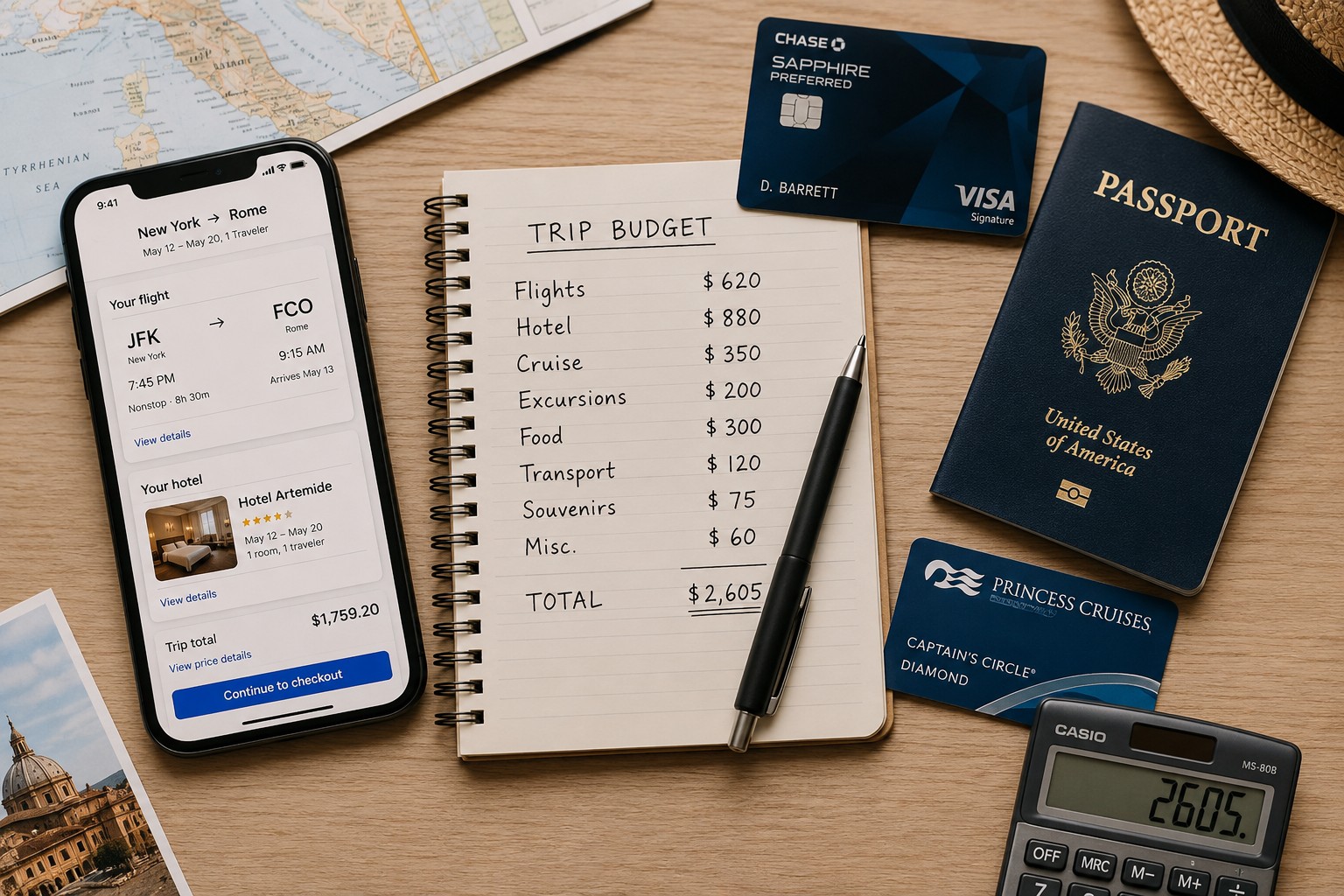
The cruise fare is not the whole cruise. The hotel rate is not the whole trip. The flight deal is not the whole vacation.
There may still be taxes, fees, tips, excursions, transportation, meals, baggage, parking, pet care, travel insurance, and time away from work.
That does not mean you should not book the trip.
It just means the “deal” should be measured against the full cost and the real value of the experience.
Sometimes points let you take a trip you would not have taken otherwise. That can be wonderful. But it may still come with real costs.
Sometimes a hotel credit makes a nicer stay feel more reasonable. That can be worth it. But it may not be the same as choosing the cheapest practical option.
Sometimes a cruise promotion makes an itinerary more tempting. That can be a good opportunity. But the deal should not be the only reason you go.
This is why we think Travel Booking and Trip Planning should include the full picture, not just the lowest-looking price.
The goal is not to avoid spending. The goal is to spend on purpose.
The Question We Like Better Than “How Much Did We Save?”
“How much did we save?” is not a bad question. It is just not the only question.
More detail: The questions that keep rewards grounded
We also like asking:
- Would we have bought this without the deal?
- Does this fit our actual budget?
- Does this move us closer to something we care about?
- Are we spending more to feel like we are saving?
- Is this reward changing our decision in a good way or a risky way?
- Are we counting a perk at full value even though we would not normally pay for it?
- Is this true savings, or is this a luxury we are choosing with a discount?
That last question may be the most honest one.
A lounge visit may be valuable. A hotel breakfast credit may be valuable. A room upgrade may be valuable. A late checkout may be valuable. A shopping portal bonus may be useful. A grocery offer may help lower the cost of something we already needed.
But the value is personal.
If you would never pay cash for a benefit, it may still improve your experience, but you may not want to count it as if it saved you the full retail price.
A Good Deal Can Still Be Worth It
We do not want to make this sound too strict. Not every purchase has to be perfectly practical. Not every trip has to be optimized. Not every dinner, excursion, hotel upgrade, souvenir, or “we just wanted it” purchase needs a spreadsheet.
More detail: The fun still matters
Sometimes the value is the experience.
Sometimes a deal gives you permission to try something new.
Sometimes a credit card perk makes a trip feel more special.
Sometimes the memories are worth the money.
Sometimes getting a discount or earning rewards on something you simply want is still better than paying full price for it.
That is okay.
The point is not to remove the fun. The point is to be honest about what is happening.
There is a difference between: “This saved us money on something we already planned to do.”
and
“This made us comfortable spending money on something extra.”
Both can be valid. They are just not the same thing.
How This Fits Into Points & Rewards Strategy
This is one of the reasons we do not like treating points and rewards as a game separate from personal finance. They are connected.
More detail: The strategy is not just earning more
If rewards encourage better planning, better tracking, better travel decisions, and more intentional spending, they can be a great tool.
If rewards encourage impulse spending, unnecessary annual fees, forced minimum spends, or trips that stretch the budget too far, they can quietly work against you.
The best rewards strategy is not just about earning more.
It is about using rewards in a way that supports the life you are actually building.
For us, that means:
- Using the right card for spending we were already doing.
- Activating grocery store and shopping offers when they fit our real plans.
- Comparing travel options before assuming one is the best deal.
- Being careful with annual fees.
- Tracking credits without letting them control us.
- Looking at total trip cost, not just the headline price.
- Being honest when a “deal” is really just something we wanted.
- Allowing some rewards to fund luxuries, while still recognizing them as luxuries.
That mindset makes points and rewards more useful, not less. It is the foundation behind our broader Points & Rewards Strategy approach.
Final Thoughts
Saving money and justifying spending can look very similar from the outside.
Both may involve a sale, a credit, a reward, a promotion, a travel deal, a grocery offer, a hotel offer, or a shopping portal bonus.
The difference is what was true before the deal showed up.
If you were already planning to spend the money and the deal lowers your cost, that is probably real savings.
If the deal creates the spending, it may still be worth it, but it deserves a different label.
That is the personal finance side of points and rewards that matters most to us. We are not trying to avoid spending altogether. We are trying to spend smarter, travel better, and make sure the rewards are helping instead of quietly leading the decision.
Sometimes that means saving money on things we already buy.
Sometimes that means using points or credits to enjoy a luxury we would not have paid full price for.
The important part is knowing the difference.
Latest Posts from Personal Finance
- The Hidden Costs That Can Make “Free” Travel Expensive

- The Difference Between Saving Money and Justifying Spending

- The Money Habits That Make Travel Rewards Work Better

- Points Are Not Free If You Carry a Balance

- Why We Don’t Follow One Credit Card Strategy — And Why You Shouldn’t Either

- Why Personal Finance Matters for Points & Rewards