The Chase Sapphire Reserve has become one of those cards where the value depends less on the headline benefits and more on whether you can actually use the credits without forcing yourself into trips you would not have taken anyway.
The Chase The Edit by Chase Travel hotel credit is a good example.
On paper, it sounds great: up to $500 per year toward qualifying hotel stays booked through The Edit. But there are rules, timing details, stacking opportunities, Las Vegas breakfast exceptions, price-match details, and a few real-world traps that matter before you count the full $500 as easy value.
We used this benefit in Las Vegas last year, and it is one of those credits that can be very useful when the trip already makes sense — but it can also push you toward a more expensive hotel stay if you are not careful.
Want Help Figuring Out Which Travel Credits Are Actually Worth Using?
Premium travel cards can be valuable, but only when the benefits fit the trips you actually take. We help people look at their cards, credits, points, and upcoming travel plans so they can use what they already have without overcomplicating it.
If you want help deciding whether a hotel credit, points booking, or travel card benefit actually makes sense for your trip, our Planning & Consulting help is a good place to start.
If you have a question, feel free to text us at 480-331-1263.
A Quick Note About Our Chase Sapphire Reserve Link
Our Chase Sapphire Reserve referral link is included here: Chase Sapphire Reserve 150,000 Point Bonus
If you apply through our link and are approved, we may receive a 20,000-point referral bonus.
That does not change how we look at the card.
Our goal is not to convince everyone to apply. Our goal is to help people decide whether this card actually makes sense for their situation, travel style, and goals.
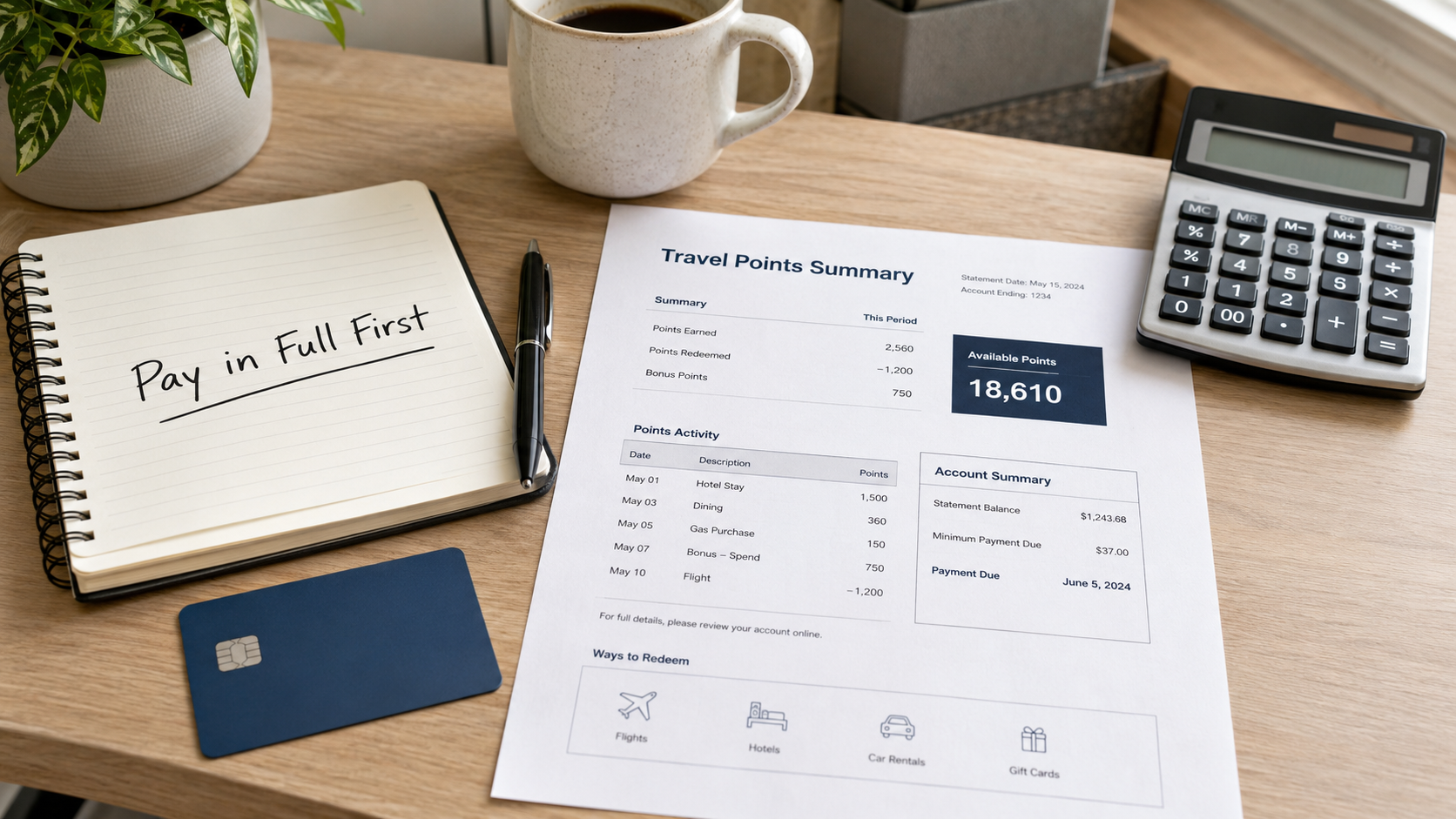
Also, credit cards only make sense if you pay them off in full every month. If you are carrying a balance, paying interest, or stretching your budget to earn a bonus, the math changes quickly.
Related Reading
- Chase Sapphire Reserve Has a Highest-Ever Bonus — But Is It Actually Worth the Annual Fee?
- Hotel Programs & Perks: How Credit Card Hotel Programs Deliver Real-World Value
- American Express Fine Hotels + Resorts (FHR): Real-World Value, Benefits, and When It’s Actually Worth It
What Is The Edit by Chase Travel?
The Edit is Chase’s premium hotel collection available through Chase Travel. It is similar in concept to Amex Fine Hotels + Resorts, where eligible bookings may include extras like breakfast, a property credit, upgrades when available, and late checkout when available.
That sounds fancy, and sometimes it is. But for us, the real question is whether the total cost after credits, fees, and benefits makes sense compared with what we would have booked anyway.
More detail: What you usually get with The Edit
The exact benefits can vary by property, but The Edit stays commonly include:
- Daily breakfast for two
- A property credit, often around $100
- Room upgrade at check-in, if available
- Early check-in, if available
- Late checkout, if available
- Wi-Fi
Those extras can matter. Breakfast alone can be a real cost saver at certain hotels, especially in expensive hotel markets where two people can easily spend $50–$80+ on a basic hotel breakfast.
But the benefits only matter if you were going to use them.
A $100 property credit is helpful if you would actually eat at the hotel, use the spa, or charge something eligible to the room. It is less useful if you are staying somewhere just to sleep and plan to spend all day away from the property.
The Las Vegas Breakfast Exception Matters
This is especially important in Las Vegas. As we detailed in our earlier Chase The Edit Breakfast Benefit in Las Vegas article, you cannot always assume “daily breakfast for two” means a full traditional breakfast benefit.
At many Las Vegas hotels, the breakfast benefit may be handled more like a daily food-and-beverage credit instead of a true full breakfast for two.
More detail: Why this changes the math in Las Vegas
This does not mean The Edit is bad in Las Vegas. It just means you need to read the property-specific benefit details carefully before booking.
A hotel may technically offer a breakfast benefit, but the real-world version might look more like:
- A set dollar amount per person
- A set credit per room
- A credit that only works at certain restaurants
- A benefit that does not fully cover tax or tip
- A benefit that sounds better than it feels once you see the menu prices
That matters because Las Vegas is one of the places where The Edit can otherwise be very useful. Rates can swing dramatically, premium hotels can drop during slower periods, and property credits can help offset food costs.
But if you are counting breakfast as a major part of the value, make sure you understand what breakfast actually means at that specific property.
For us, this is one of the biggest differences between “this credit looks good” and “this credit actually works.”
How the Two $250 The Edit Credits Work
The Chase Sapphire Reserve currently offers up to $500 annually in automatic statement credits for qualifying The Edit bookings, with a maximum of $250 per transaction.
You do not get one $500 credit on a single hotel booking. You generally need two separate qualifying prepaid The Edit bookings to use the full $500.
More detail: Do you have to use one credit in the first half of the year and one in the second half?
For 2026, the credit appears to be more flexible than it was before.
In 2025, the credits were split between January–June and July–December. For 2026, the current public benefit language describes the benefit as up to $500 annually with a maximum of $250 per transaction, without listing a first-half/second-half split.
That is a meaningful improvement.
Instead of trying to force one hotel stay before June 30 and another after July 1, you can plan around real trips. If you have two hotel stays in the same month that qualify, you may be able to use both credits then.
The key is that each credit is still limited to one up-to-$250 credit per qualifying transaction.
Can You Use Both $250 The Edit Credits on the Same Stay?
Not exactly. Because Chase limits the The Edit credit to $250 per transaction, one booking will generally only trigger one up-to-$250 credit.
To use the full $500, you need two qualifying prepaid bookings. That could mean two different trips, two different hotels, or potentially back-to-back bookings if Chase processes them as separate qualifying transactions.
More detail: If you want to use both credits back-to-back, we would look at two different hotels
If you are trying to use both credits on the same trip, we would generally look at two different hotels instead of trying to split one hotel into two back-to-back reservations.
That is especially true in Las Vegas.
For example, you could stay two nights at one property on one part of the Strip, then move to a different property for two nights on another part of the Strip. That may let you use both credits, experience two different hotels, and avoid some of the gray area around whether a hotel treats back-to-back bookings as one continuous stay.
This can work well if you were already planning a longer Las Vegas trip and do not mind moving hotels.
It could also be a fun way to compare:
- North Strip vs. South Strip
- A casino-heavy stay vs. a more resort-style stay
- The Edit vs. FHR-style benefits
- Different breakfast/property credit setups
- Different walkability depending on your plans
The downside is obvious: moving hotels is still moving hotels.
You have to pack up, check out, potentially wait for a new room, and deal with bags. That is not worth it for everyone. But in Las Vegas, where hotel-hopping is already part of the experience for some people, it can be a more practical strategy than trying to force two separate reservations at the same property.
Some people may try to book two back-to-back two-night stays at the same hotel to trigger both credits on one longer trip. That may work from a credit standpoint if Chase sees them as separate prepaid transactions, but the hotel may still treat the reservations as one continuous stay.
That could affect whether you receive one or two sets of on-property benefits, especially the property credit. It does not necessarily make it a bad strategy, but you should not assume you are getting every benefit twice unless the hotel confirms it.
How the IHG / Select Hotel Credit Stack Works
This is where things get interesting. In addition to The Edit credit, Chase added a separate up to $250 credit for select Chase Travel hotel bookings in 2026.
This is not only an IHG credit, but IHG is one of the eligible hotel groups. We think of this more broadly as a select hotel credit instead of only an IHG credit.
More detail: How the double stack can happen
The double stack works when a hotel qualifies for both benefits:
- It is part of The Edit
- It is also part of one of the eligible select hotel brands, such as IHG, Virgin, Omni, Pendry, Montage, Minor, or Pan Pacific
- You book a qualifying prepaid stay through Chase Travel
- The stay is at least two nights
- You pay with the eligible Sapphire Reserve card
In that situation, one qualifying stay may be able to trigger:
- Up to $250 back from The Edit
- Up to $250 back from the select Chase Travel hotel credit
That could mean up to $500 back on one qualifying prepaid hotel stay.
This is why some people are paying close attention to hotels that are both in The Edit and part of an eligible brand. It is also why the “IHG credit” language can be a little misleading. IHG is one of the easiest brands to understand in the list, but the 2026 credit is broader than just IHG.
One important note: if your regular $300 Chase Sapphire Reserve travel credit is unused, it may apply first before the other hotel credits. That is not necessarily bad, but it can make the math harder to track.
Is This Benefit on Both the Personal and Business Sapphire Reserve Cards?
Yes, but always check the specific benefit tracker in your Chase account before booking.
The personal Chase Sapphire Reserve and Chase Sapphire Reserve for Business both have versions of these hotel benefits. But before booking, we would still confirm the details in the Chase benefits dashboard and Chase Travel booking flow.
More detail: What to confirm before you book
Before booking, we would check:
- The Chase benefits dashboard
- The Chase Travel checkout screen
- Whether the stay is prepaid / Pay Now
- Whether the property is actually marked as The Edit
- Whether the hotel qualifies for the select hotel brand credit
- Whether the two-night minimum is met
- Whether the credit is showing in your card benefits before you count on it
This is not a benefit where we would book first and hope later.
Chase Travel’s New Price Match Guarantee Could Help — But Check Your Account
One of the biggest concerns with Chase Travel, or any credit card travel portal, is pricing. A $250 hotel credit is less exciting if the portal rate is meaningfully higher than the hotel’s direct rate or another public booking option.
That is why Chase Travel’s newer hotel price-match guarantee is worth paying attention to, but we would not assume every account has it until we see it in the booking flow.
More detail: How the price match appears to work
The basic idea is that if you book a qualifying prepaid hotel through Chase Travel and find a lower public rate for the same hotel, same room type, same dates, and same number of guests, you may be able to submit a claim for the difference.
Based on current reporting, important rules appear to include:
- It applies to hotel bookings through Chase Travel, not all travel bookings
- It appears to focus on prepaid hotel reservations
- Claims generally need to be submitted quickly, often within a short window
- The lower rate needs to match the same reservation details
- The feature may not be available to every Sapphire Reserve cardholder yet
- You should look for the price-match option inside your Chase Travel booking details before assuming you have it
This could be a meaningful improvement for people trying to use The Edit credit or the 2026 select hotel credit, because it may reduce one of the biggest problems with portal bookings: wondering if Chase Travel is charging more than other booking options.
But we would treat this as a helpful backup, not a reason to stop comparing prices.
Before booking, still compare Chase Travel against the hotel’s direct website and other major booking options. Then, if your account has the price-match feature and the rules line up, you may have a little more protection than before.
Our Las Vegas Example: When The Edit Actually Made Sense
We used The Edit in Las Vegas last year, and that is one of the places where this kind of credit can make sense. Vegas has frequent price swings, resort fees, restaurant charges, breakfast quirks, and property credits to factor into the math.
We were not using the credit just to say we used the credit. We were already planning to be in Las Vegas, and the Chase The Edit benefit helped bring the real cost down enough that the booking made sense.
More detail: Why Vegas can be a good The Edit test market
Las Vegas can be a strong place to test this benefit because hotel prices fluctuate so much.
A room that is overpriced during a major event, holiday weekend, or convention may be completely unreasonable even after the credit. But on slower nights, especially midweek, the same type of property may drop low enough that the $250 credit meaningfully changes the value.
That is where The Edit can work well:
- You already need a hotel
- The Chase Travel price is not inflated compared with other booking options
- The stay is at least two nights
- The credit offsets a meaningful part of the room cost
- You can use the breakfast or property credit
- The total after resort fees and taxes still makes sense
In Vegas, you also have to pay close attention to resort fees. A $250 credit can look great until you realize the resort fee and taxes are still a major part of the final cost.
The real comparison is not “room rate minus credit.” The real comparison is: what would this stay cost all-in, after taxes, fees, credits, breakfast, resort fees, and property benefits — compared with the hotel we would have booked otherwise?
How We Plan to Use These Credits in 2026
This is where the credit gets very real for us. Jon currently has the Chase Sapphire Reserve for Business, and he has not used either of his two The Edit credits yet.
Melanie recently got the personal Chase Sapphire Reserve with the highest-ever sign-up bonus, which means we now have access to The Edit credits on both cards. That sounds great on paper, but realistically, we probably will not keep both cards long term.
More detail: Why our 2026 strategy is more complicated than it sounds
Jon’s business card annual fee comes due in August, and there is a decent chance we will cancel that card when the fee hits. If that is the direction we go, we need to think about using Jon’s two The Edit credits before then.
That gives us a much shorter window than “sometime this year.”
In a normal year, Las Vegas would probably be the easiest answer for us.
We know Vegas. We enjoy Vegas. Hotel prices can drop during slower periods. And The Edit can work well there if the math lines up.
But with everything we have planned for the rest of 2026, it may be harder than usual to squeeze in our normal Vegas trip — or trips — just to maximize these credits.
We are also considering a cross-country move, which complicates the timing even more. If we are trying to use Jon’s business card credits before August, we may not have a ton of flexibility to wait for the perfect Vegas dates, the perfect hotel pricing, or the perfect back-to-back hotel strategy.
That is where this benefit starts to feel less like “free money” and more like something you have to intentionally plan around.
Phoenix Staycations May Be Our Best Short-Term Option
Because we are currently in Arizona, our most realistic short-term strategy may be a couple of Phoenix or Scottsdale staycations this summer.
That may not sound as exciting as Las Vegas, but it could actually make sense. Summer is when Arizona resort pricing can drop because, well… it is Arizona in the summer.
More detail: Why Phoenix and Scottsdale could work
This is not ideal for everyone, but for us, a pool-focused staycation at the right property could be a practical way to use the credits without forcing a flight, a long drive, or an overcomplicated trip.
A Phoenix or Scottsdale staycation could work if:
- The hotel is part of The Edit
- The stay is at least two nights
- The summer rate is reasonable
- The breakfast/property credit adds real value
- The resort fee does not ruin the math
- We actually want the stay, not just the credit
This is also a good reminder that travel credits do not always have to be used on big trips.
Sometimes the best use is a simple staycation that gives you a break, lets you enjoy a nicer property, and uses a credit that otherwise might go unused.
That may be exactly how we use Jon’s credits before August if the timing gets tight.
Melanie’s Personal Card Gives Us More Time
Melanie’s personal Sapphire Reserve is different because we are not trying to beat an August annual fee decision on that card. That gives us more time to use her The Edit credits before the end of the year.
And if we are living on the East Coast by August, which we kind of hope and expect, that could open up more options.
More detail: Why the East Coast could make the credits easier to use
Instead of only thinking about Las Vegas, Phoenix, or Scottsdale, we could potentially look at:
- East Coast weekend trips
- Pre-cruise hotel stays
- Post-cruise hotel stays
- New York
- Boston
- Washington, D.C.
- Philadelphia
- Florida
- Smaller city getaways where weekend rates drop
- A road trip stop where a nicer hotel actually improves the trip
If we are on the East Coast later this year, the credits may become easier to use naturally.
There are more cities close together, more cruise ports within reach, more train-friendly options, and more opportunities for quick two-night trips without needing to fly across the country.
That could make Melanie’s credits much easier to use than Jon’s business card credits, simply because the timing may be better.
This is exactly why we do not value every credit the same way every year. The same benefit can feel easy one year and annoying the next, depending on where you live, what trips you already have planned, and how much flexibility you have.
Why This Is a Good Example of Real-World Credit Card Math
This is also why we are careful about saying a credit is “worth” the full amount. Between Jon’s business card and Melanie’s personal card, we may technically have access to a lot of hotel credit value.
But the real value depends on whether we can use those credits without forcing bad decisions.
More detail: How we are thinking about it
For Jon’s card, the question is:
Can we use both The Edit credits before the August annual fee decision in a way that makes sense?
For Melanie’s card, the question is:
Can we use the credits later in the year on trips we would actually take anyway?
Those are very different situations.
Our likely 2026 strategy looks something like this:
- Try to use Jon’s business card credits before August if the right Phoenix, Scottsdale, Vegas, or other short-trip option appears
- Avoid booking a bad hotel stay just because the credit exists
- Consider summer staycations if the resort pricing drops enough
- Keep Vegas on the list, but do not force it if the rest of the year is too crowded
- Use Melanie’s personal card credits later in the year when our travel plans and possible East Coast move create more natural opportunities
- Reevaluate Jon’s business card when the annual fee posts
- Keep the card only if the remaining benefits still make sense
That is not as clean as “we have $500 in hotel credits, so we saved $500.”
But it is more realistic.
And for us, that is the whole point. The best credit card strategy is not about collecting benefits. It is about using the ones that actually fit your life.
Places Where the $250 Credit Might Stretch Further
The Edit is a premium hotel collection, so this is not usually where you find bargain-basement hotel stays. But there are destinations where prices can drop low enough that the credit becomes much more useful.
The goal is not always to make the stay completely free. The goal is to find places where the credit covers a meaningful chunk of the cost without forcing a bad booking.
More detail: Destinations worth checking
Las Vegas
Las Vegas is one of the best examples because hotel prices can swing dramatically. Midweek stays, slower seasons, and non-event dates can make premium properties much more reasonable.
Las Vegas is also one of the best places to consider using two credits on one longer trip by changing hotels. You might stay two nights near one end of the Strip and two nights somewhere else, turning the hotel change into part of the experience instead of just an inconvenience.
Orlando
Orlando can be worth checking, especially outside peak family travel windows. If you are already planning a Disney, Universal, or cruise-adjacent Florida trip, a two-night hotel credit could make sense before or after the main trip.
Phoenix / Scottsdale
This is especially interesting in the summer. Luxury and resort-style properties in Arizona can get much cheaper during the hottest months. That does not work for everyone, but for locals or people comfortable with pool-focused resort trips, this can be a strong seasonal play.
Dallas, Houston, or San Antonio
Large cities with business-heavy hotel demand can sometimes have better weekend pricing. If you are planning a quick getaway, concert weekend, sports trip, or positioning night, these markets may be worth checking.
New Orleans
New Orleans can be expensive during events, festivals, and peak travel dates, but slower periods may create opportunities. This is one where date flexibility matters.
Chicago
Chicago can be very expensive in peak summer and during events, but shoulder season or winter dates may make premium hotels more reasonable. If you are already planning a city weekend, it is worth checking.
Port cities before or after a cruise
This is one of the most practical uses for travelers like us. A two-night stay before or after a cruise in places like Miami, Fort Lauderdale, Seattle, Los Angeles, Vancouver, or New York might be a good way to use the credit if the pricing lines up.
Mexico and the Caribbean
Some resort markets may price too high for the credit to feel meaningful, but it is still worth checking for shoulder season or shorter stays. The breakfast and property credit can matter more at resort-style hotels where food and drinks are expensive.
Can You Really Get Two Nights for Around $250?
Sometimes, but we would not build the whole strategy around that. The better question is whether you can find a two-night stay where the net cost after the credit feels reasonable compared with your alternatives.
A $300 two-night stay becoming roughly $50 before taxes and fees is very different from a $1,200 stay still costing around $950 after the credit.
More detail: Why the “free hotel night” mindset can be misleading
It is tempting to think of this as a “free hotel” credit.
But with The Edit, you are usually dealing with higher-end hotels, taxes, resort fees, and potentially higher Chase Travel rates compared with booking direct. That means the credit may not make the stay cheap. It may simply make a nicer stay more reasonable.
That can still be a good use.
If you were already going to spend $350 on a regular hotel and The Edit gets you into a better property for a similar net cost after the credit, breakfast, and property benefits, that may be a win.
But if you were going to spend $180 total somewhere else and you end up spending $600 just to use a $250 credit, that is probably not real savings.
That is forced spending.
Watch for Chase Travel Pricing
One of the biggest things to watch with any portal booking is the price. Before counting the credit as savings, compare the Chase Travel price against the hotel’s direct website and other booking options.
A $250 credit is less exciting if Chase Travel is charging $150 more than booking direct.
More detail: The math we would do before booking
Before using this credit, we would compare:
- Chase Travel total price
- Direct hotel total price
- Flexible and prepaid rates
- Member rates
- AAA or other eligible discounts
- Costco Travel, if applicable
- Other travel portals
- Points options
- Cancellation rules
- Taxes and resort fees
- Whether the booking earns hotel points or elite credit
- Whether the stay qualifies for The Edit perks
- Whether breakfast is actually useful
- Whether the property credit is something we would use
- Whether the $250 credit is confirmed as eligible
- Whether a price-match guarantee appears available in our Chase Travel booking flow
This is where the benefit can go from “great deal” to “not worth the trouble” pretty quickly.
The credit is valuable, but only when the whole booking makes sense.
Prepaid and Two-Night Minimum Rules Matter
This is not a credit you can trigger by booking any hotel, any way you want. For The Edit credit and the separate 2026 select hotel credit, the stay generally needs to be prepaid through Chase Travel and meet the two-night minimum.
That is why we would check the details before paying, especially if we are trying to stack multiple credits on the same stay.
More detail: What to check before you pay
Before booking, make sure:
- The property is part of The Edit if you are trying to use The Edit credit
- The hotel is one of the eligible brands if you are trying to use the select hotel credit
- The booking is prepaid / Pay Now
- The stay is at least two nights
- The correct Sapphire Reserve card is used
- The charge is processed by Chase Travel
- The cancellation policy works for your trip
- You are comfortable with not earning points on the qualifying purchase portion, if that applies
That last point matters because some qualifying purchases tied to these credits may not earn points. That is not always a dealbreaker, but it should be part of the math.
The Best Use Is a Trip You Already Wanted to Take
This is the biggest thing for us. The Chase The Edit credit is not automatically worth $500 just because Chase says it is worth up to $500.
It is worth what it saves you on trips you were already going to take — or trips that become reasonably priced because of the credit.
More detail: Good use vs. forced use
A good use might look like this:
- You already need a hotel for two nights
- The Edit property is in the right location
- Chase Travel pricing is competitive
- The $250 credit brings the cost close to your other options
- Breakfast and property credit add real value
- You are not changing the trip just to use the credit
A forced use might look like this:
- You book a hotel you do not really want
- You pick a more expensive area than you need
- You ignore cheaper direct-booking options
- You spend more than planned to “save” $250
- You do not use the breakfast or property credit
- You count the credit as full value even though it changed your behavior
That is the line we try to watch with all premium card benefits.
The benefit is only valuable if it helps make a real trip better, cheaper, or more enjoyable.
Final Thought: This Credit Can Be Valuable, But It Is Not Automatic Value
The Chase The Edit hotel credit is one of the more interesting Sapphire Reserve benefits because it can create real savings on the right stay.
For 2026, the ability to use the two up-to-$250 The Edit credits anytime during the year makes the benefit easier to use. The separate 2026 select hotel credit can also make the math much better when a hotel qualifies for both benefits.
The newer Chase Travel hotel price-match guarantee could help reduce the risk of overpaying through the portal, but because availability may still depend on the card and account, we would not assume it is available until we see it in the Chase Travel booking flow.
And in Las Vegas, we would be especially careful with the breakfast benefit. It may still be useful, but it may not work like a simple “free breakfast for two” benefit at every property.
Used well, this credit can make a Las Vegas stay, cruise hotel, city weekend, staycation, or resort night feel like a much better deal.
Used poorly, it can become another premium card credit that pushes you to spend money you were not planning to spend.
And that is exactly why we do the math before we get excited.
Latest Posts from Credit Card Strategy | All Posts in Category
- Travel Protections by Credit Card and Network: What They Really Cover

- Credit Card Benefits You Might Have Without Realizing It: Visa Signature, Visa Infinite, Mastercard World Elite, Amex, and More

- Points Are Not Free If You Carry a Balance

- How the Chase The Edit Hotel Credit Works — And When It Can Actually Be Useful

- Why We Still Keep the Amex Platinum — Even at $895

- Chase Sapphire Reserve Has a Highest-Ever Bonus — But Is It Actually Worth the $795 Annual Fee?